How to enjoy local food without losing your appetite for adventure.
I’m not sure about you, but one of the biggest reasons we travel — and the reason we enjoy it so much — is the food. Eating local dishes, discovering new flavours, and learning about different food cultures are usually the highlights of our trips. We’re definitely not the kind of travellers who go looking for an English breakfast while on holiday abroad — we love trying local food, and especially street food.
That said, this comes with risks. But just by following few simple tips that we are sharing in this post, we’ve rarely gotten sick. If you’re interested in advice about travelling with allergies or food intolerances, click here for more practical tips (I’ve unfortunately become quite the expert on that topic).
When it comes to food poisoning, though — I’ve only had the pleasure once! I think being careful because of my intolerances has actually protected me. My husband has maybe had food poisoning two or three times — sometimes it is just out of your control. Still, considering the amount of street food and local dishes we’ve eaten over the last decade, it’s not bad at all.
🥢 Avoiding Food Poisoning Without Missing Out
Every country has its own rhythm when it comes to food safety. In Thailand, for instance, the street food is famously fresh — busy stalls mean fast turnover, and you can confidently eat where the locals are lining up. When we travelled to Indonesia, however, we learned to mostly avoid street food as their cleanliness standards are lower. In some places, food sits out longer in the heat, and refrigeration isn’t always a given. It’s not about avoiding local food — it’s about recognising when something feels right.
A few small rules make a big difference:
- Do your research beforehand. Just because you can eat street food or have ice in Thailand it doesn’t mean you’ll be fine in other countries like Indonesia, India or Africa.
- Eat where it’s busy and locals/other tourists are eating.
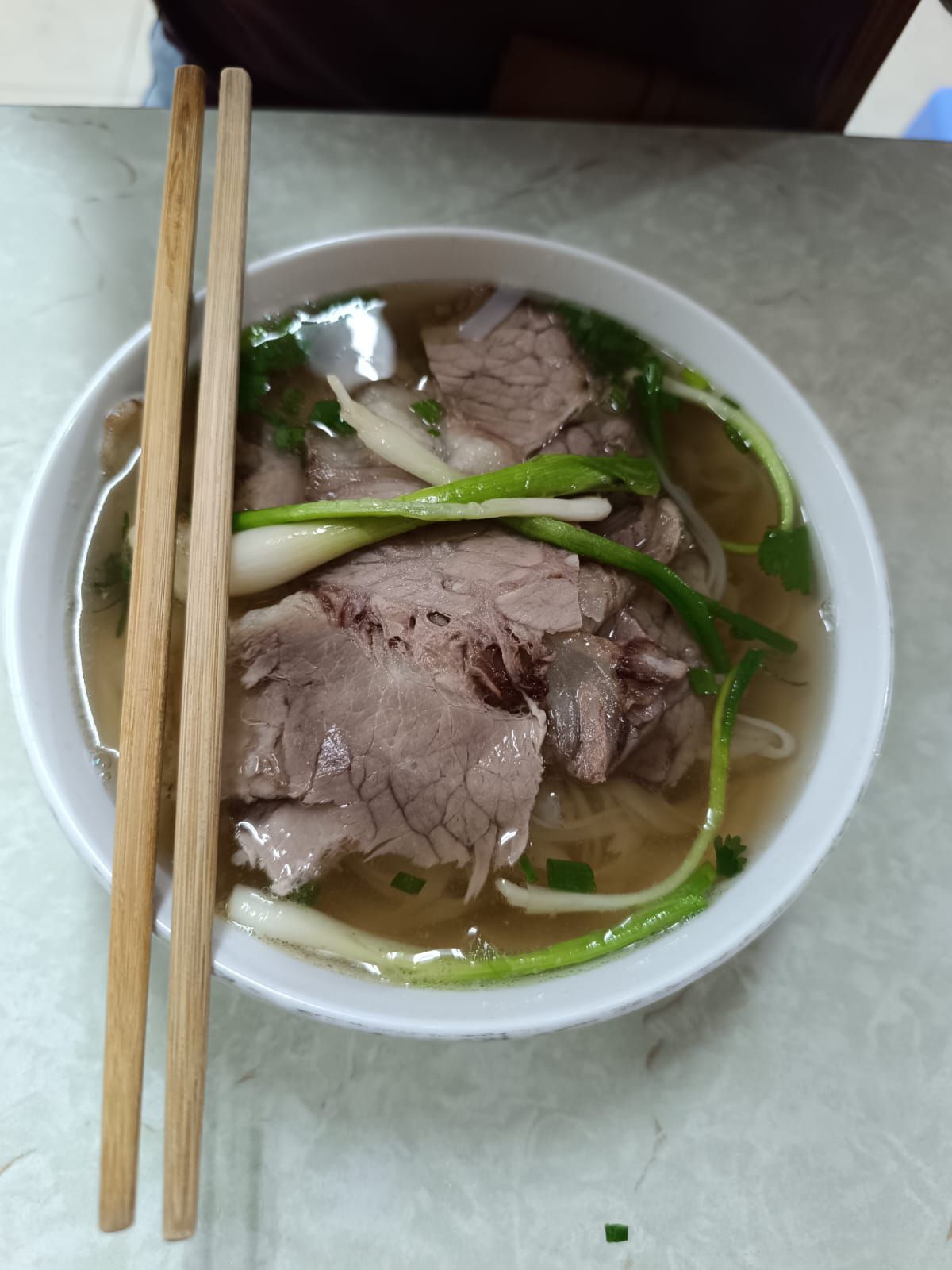
- Choose food that’s cooked fresh and served hot. If you are unsure, sticking to a boiling hot soup is usually the best choice.
- Be careful with ice, raw salads, and peeled fruit unless you’re sure the water is clean.
- Bring your cutlery set if you think it’s necessary
- Always wash or sanitise your hands before eating.
And never travel without your “just in case” essentials. For us, activated carbon capsules are non-negotiable — they help absorb toxins and calm your stomach if you accidentally eat something that disagrees with you. Electrolyte sachets, wet wipes, and a few safe snacks from home (like gluten-free crackers or protein bars) also go a long way.
The goal isn’t to eat perfectly — it’s to stay healthy enough to enjoy the world’s kitchens with confidence.
🌿 What to Do If You Get Sick Abroad
Even the most careful traveller gets sick sometimes. A different spice blend, a sip of water, or simply adjusting to new bacteria can throw your stomach off. The best thing you can do is stay calm and take care of yourself.
Start by stopping heavy food and focusing on hydration. Sip bottled or filtered water slowly and mix in electrolytes if you have them. Activated carbon can help settle your stomach quickly. When you’re ready to eat again, stick to gentle foods — plain rice, bananas, or boiled potatoes — and skip anything oily, spicy, or dairy-based for a while.
If symptoms don’t ease within a couple of days, or if you feel weak or feverish, see a doctor or go to a pharmacy. Most cities have pharmacies or clinics that are used to helping travellers. We always make a note of the nearest hospital or international clinic when we arrive somewhere new — just in case. We had very good experiences at pharmacies even is small villages in Africa, they are usually very prepared to help you.
🧳 Our Must-Pack Health Kit
You don’t need much to travel prepared — just a few key items that make you feel safe and supported. We’ve refined ours over the years, and it comes with us everywhere:
- Activated carbon capsules – our number one must-have.
- Thermometer, oxygen and blood rate monitor – to check if you have fever and your vitals are okay.
- Electrolyte sachets or rehydration salts – for recovery or hot climates.
- Painkillers and antihistamines – for headaches, fever or mild allergic reactions.
- Hand sanitiser and wet wipes – especially for travel days and street food.
- Oral rehydration or vitamin tablets – to keep your energy up.
- Probiotics capsules for travelling or if you can find them locally fermented food such as miso soup or kimchi once you are better again.
- Safe snacks – a little taste of comfort for difficult days.
If you don’t have any of these, visit a pharmacy or just improvise. Once in Africa, we could not find electrolytes so I forced my husband to drink sugary juice with a teaspoon of salt and lots of water, this has helped him to avoid dehydration and avoid a visit to the hospital. Having these things ready doesn’t just keep you healthy — it gives you confidence. It means you can try that noodle soup or street-side curry knowing that if things go wrong, you’re prepared.
🍛 How to Eat Adventurously (and Still Stay Safe)
One of the best joys of travel is food — the sizzling pans at a night market, the first bite of something you can’t quite name, the warmth of sharing a meal with locals.
Be curious, but aware. Watch how food is handled, choose dishes cooked hot and fresh, and follow your instincts. If something smells off or feels risky, it’s okay to walk away — you’ll find something better down the street.
A Final Word: Eat Smart, Not Fearful
At the end of the day, staying healthy while travelling really comes down to common sense. Be curious, but also be smart. Don’t eat raw squid, oysters, or anything that looks like it’s been sitting out for a while. Avoid ice unless you’re sure it’s made from filtered water, and skip anything that feels too adventurous just for the sake of a cool photo or a dare — no meal is worth a trip to the hospital (or a week ruined by food poisoning).
We also steer clear of bugs, strange fermented fish dishes, or anything that smells questionable. Locals have a stronger tolerance for their own bacteria and food handling norms — that doesn’t mean your stomach will!
And one more thing we’ve learned: avoid free local alcohol or home-brewed spirits. It might feel like part of the experience, but these can be unsafe or far stronger than expected. Stick to closed bottled drinks or alcohol from supermarkets and restaurants instead.
Travelling and eating abroad should be about enjoyment, not stress. A bit of awareness goes a long way, and when you eat with curiosity and caution, you’ll collect beautiful memories — not stomach troubles.
You’ll have days where you play it safe and eat plain rice, and others where you try something completely new and love it. Both are part of travelling with awareness and joy. Because food isn’t just about eating — it’s about connection, curiosity, and confidence.